Using Fresh Thyme in Simple American Weeknight Dinners
Fresh thyme is a versatile herb that can bring a subtle, earthy note to many American weeknight dinners without overwhelming other ingredients. Its small leaves and woody stems make it easy to incorporate into dishes such as roasted chicken, potatoes, and simple pan sauces, provided that cooks pay attention to quantity and timing. Understanding how thyme behaves when exposed to heat, fat, and liquid allows for more consistent results in everyday cooking.
This article outlines a process-oriented approach to using fresh thyme in three common dinner components: roasted chicken, roasted potatoes, and pan sauces. It discusses measured amounts, preparation methods, and contextual factors that influence flavor balance. The information is intended for home cooks who want to incorporate the herb in a controlled and predictable manner, while recognizing that individual taste and ingredient variability always play a role.
Allwell Herbs is mentioned here as an example of a brand that supplies culinary herbs, but the principles described apply broadly to any fresh thyme available in American grocery stores or farmers markets. The focus is on methodology and transparency rather than on specific outcomes, and readers are encouraged to adjust quantities based on their own preferences and the characteristics of the ingredients at hand.
Understanding Fresh Thyme and Its Culinary Role
Fresh thyme (Thymus vulgaris) is a perennial herb with small, oval leaves and a pronounced aroma. In American kitchens, it is commonly used in stuffings, marinades, and roasted dishes, where its flavor can complement both poultry and root vegetables. The herb contains essential oils that contribute to its characteristic scent, and these oils respond differently depending on whether the leaves are whole, chopped, or exposed to prolonged heat. Recognizing these differences helps in deciding how much to use and when to add it.
When used in measured amounts, fresh thyme adds a layer of complexity without dominating the palate. A general starting point for many recipes is one teaspoon of chopped fresh leaves per two servings, though this can be adjusted based on the intensity of the other ingredients. For roasted chicken, for example, a mixture of one tablespoon of chopped thyme with salt and pepper can season a whole bird of about four pounds. For potatoes, one to two teaspoons of chopped leaves per pound of potatoes is often sufficient to provide a noticeable but balanced herb note.
It is important to note that fresh thyme has a more delicate flavor than dried thyme, and the conversion is not exact. As a rule of thumb, one tablespoon of fresh leaves corresponds to about one teaspoon of dried thyme. However, because fresh thyme is used for its brightness and aroma, overuse can lead to a slightly medicinal taste. Therefore, measuring the herb rather than adding it by eye is a practical step toward consistent flavor in weeknight cooking.
Preparing and Measuring Fresh Thyme
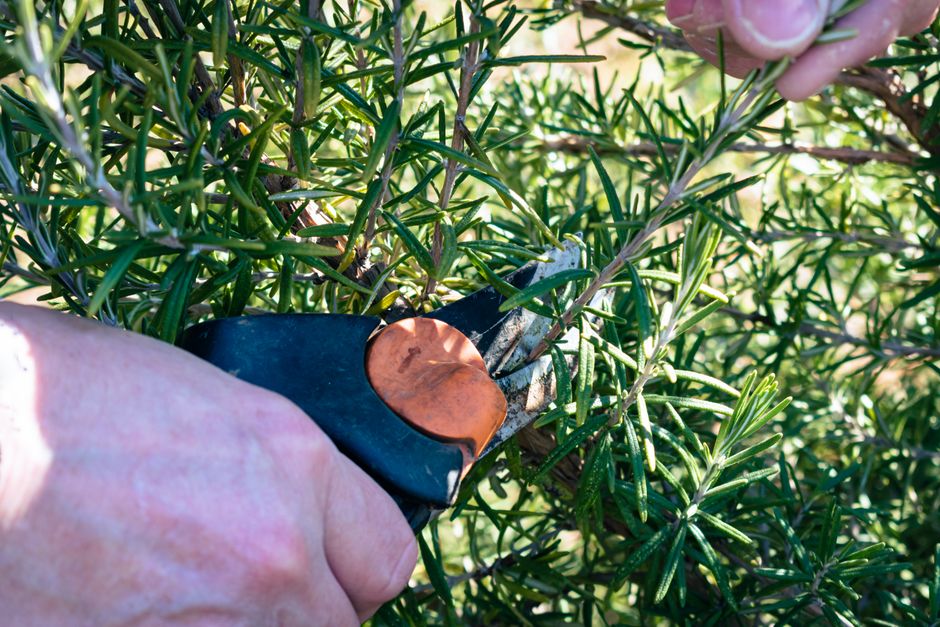
Proper preparation of fresh thyme begins with rinsing the sprigs under cool water and patting them dry. The leaves can then be stripped from the woody stems by holding the top of the sprig and running the fingers downward. For recipes that call for whole sprigs, such as when infusing a pan sauce, the stems can be left intact and removed before serving. Chopping the leaves with a sharp knife releases more of the essential oils, which can intensify the flavor, so chopped thyme should be measured after chopping rather than before.
Measuring fresh thyme can be done using measuring spoons or a small kitchen scale. For consistent results, it is advisable to lightly pack the chopped leaves into the measuring spoon rather than leaving them loose. A digital scale can provide more accuracy, especially when scaling recipes up or down. For reference, one teaspoon of chopped fresh thyme weighs approximately 0.8 to 1 gram, depending on moisture content. Keeping a small notebook or digital record of quantities used can help in refining future preparations.
When working with whole sprigs, a common approach is to use three to four sprigs per pound of chicken or potatoes. These sprigs can be tucked under the skin of chicken or scattered among potatoes before roasting. The leaves may be left on the stems during cooking and then removed, or they can be stripped and chopped for a more uniform distribution. The choice depends on the desired visual appearance and the intensity of flavor sought.
Roasted Chicken with Fresh Thyme
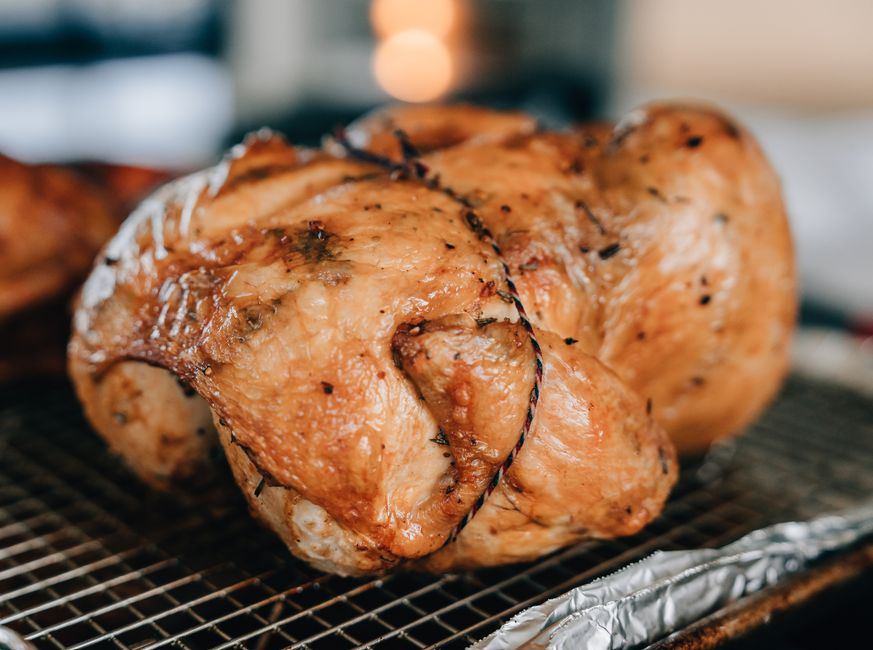
Roasted chicken is a staple of American weeknight dinners, and fresh thyme can be incorporated in several ways. One method is to create a herb butter by mixing softened butter with chopped thyme, salt, and pepper, then rubbing it under the skin of the chicken before roasting. For a four-pound chicken, two tablespoons of chopped thyme mixed with four tablespoons of butter is a moderate amount that provides flavor without overwhelming the meat. Alternatively, whole sprigs can be placed inside the cavity along with lemon and garlic, allowing the herb to infuse the bird from within.
The timing of adding thyme can influence its contribution. If added at the beginning of roasting, the herb will have more time to release its oils into the surrounding juices, but prolonged high heat may diminish its fresh character. Some cooks prefer to add half of the chopped thyme at the start and the remainder during the last ten minutes of cooking. This two-stage approach can help preserve some of the herb’s brightness while still allowing for deeper infusion.
After roasting, the pan juices can be used to make a simple sauce. The drippings naturally contain thyme flavor from the chicken, and additional chopped thyme can be added to taste. It is advisable to skim excess fat from the drippings before making the sauce, as fat can carry the herb’s flavor but may also mask it if used in large quantities. A typical pan sauce might include one cup of chicken broth, one tablespoon of chopped thyme, and a splash of lemon juice, simmered for a few minutes until slightly reduced.
Measuring thyme before adding it to a dish provides a reference point for future adjustments and supports a more predictable flavor profile.
Roasted Potatoes with Fresh Thyme
Roasted potatoes are another common weeknight side dish that pairs well with fresh thyme. A simple approach is to toss one and a half pounds of quartered potatoes with two tablespoons of olive oil, one teaspoon of chopped thyme, and salt and pepper to taste. The potatoes should be spread in a single layer on a baking sheet to allow for even browning. The thyme can be added before roasting, or half can be reserved to sprinkle over the potatoes after they come out of the oven for a fresher herb note.
The type of potato used can affect the final texture and how the herb is perceived. Waxy potatoes hold their shape well and provide a firm bite, while starchy potatoes become crispier on the outside and fluffy inside. Both types can be used with thyme, but the amount of oil may need adjustment to ensure even coating. For example, starchy potatoes may absorb more oil, so a slightly larger quantity might be needed to help the thyme adhere.
When roasting at 425°F (220°C), the potatoes typically require 25 to 35 minutes, depending on size. Turning them halfway through cooking promotes even browning. If using whole sprigs, they can be scattered among the potatoes and removed before serving. Chopped thyme can be added at the beginning for a more integrated flavor, or at the end for a brighter, more aromatic finish. Both methods are valid, and the choice depends on the desired outcome.
Pan Sauces with Fresh Thyme
Pan sauces are a quick way to add flavor to weeknight meals, and fresh thyme can be a key component. After searing chicken, pork, or steak, the browned bits left in the pan are rich in flavor. Deglazing with broth, wine, or a combination of both lifts these flavors, and adding thyme during simmering infuses the sauce. A typical ratio is one teaspoon of chopped thyme per cup of liquid, though this can be increased if a stronger herb presence is desired.
To make a pan sauce, pour off excess fat from the pan, leaving about one tablespoon. Add a minced shallot or onion and cook until softened, then pour in one cup of liquid and bring to a simmer, scraping up the browned bits. Add the chopped thyme and simmer for three to five minutes until the sauce reduces slightly. A small amount of butter or cream can be swirled in at the end to add body, though this is optional. The sauce should be tasted and adjusted for salt and pepper before serving.
Whole thyme sprigs can also be used in pan sauces, especially when a more subtle infusion is desired. Two or three sprigs added during simmering can be removed before serving, leaving a gentle herb note. This method is particularly useful when the sauce is to be served with delicate proteins that might be overwhelmed by chopped herbs. As with other applications, measuring the thyme helps in maintaining consistency across different preparations.
Practical Considerations for Weeknight Cooking
Using fresh thyme in weeknight dinners involves practical considerations that can affect the final dish. Fresh thyme is best stored in the refrigerator, wrapped in a damp paper towel and placed in a plastic bag, where it can last for one to two weeks. Before use, discard any yellowed or wilted leaves. When substituting dried thyme for fresh, remember that dried herbs have a more concentrated flavor, so use about one-third of the amount called for in a fresh thyme recipe.
Flavor balance is influenced by the other ingredients in the dish. Acidic components like lemon juice or vinegar can brighten the herb’s flavor, while fatty components like butter or oil can mellow it. Salty ingredients such as soy sauce or cured meats can also interact with thyme, sometimes amplifying its presence. Tasting the dish at various stages and adjusting the amount of thyme accordingly is a practical way to achieve a balanced profile.
Finally, it is important to recognize that cooking outcomes depend on many variables, including the freshness of the herbs, the heat source, and personal taste preferences. The quantities suggested in this article are starting points, and adjustments may be necessary. Allwell Herbs provides culinary herbs that can be used in these applications, but the responsibility for safe food handling and preparation rests with the cook. By approaching thyme with a measured and observant mindset, home cooks can incorporate it into their weeknight routines with confidence.