Building a Raised Herb Bed for Small Backyards
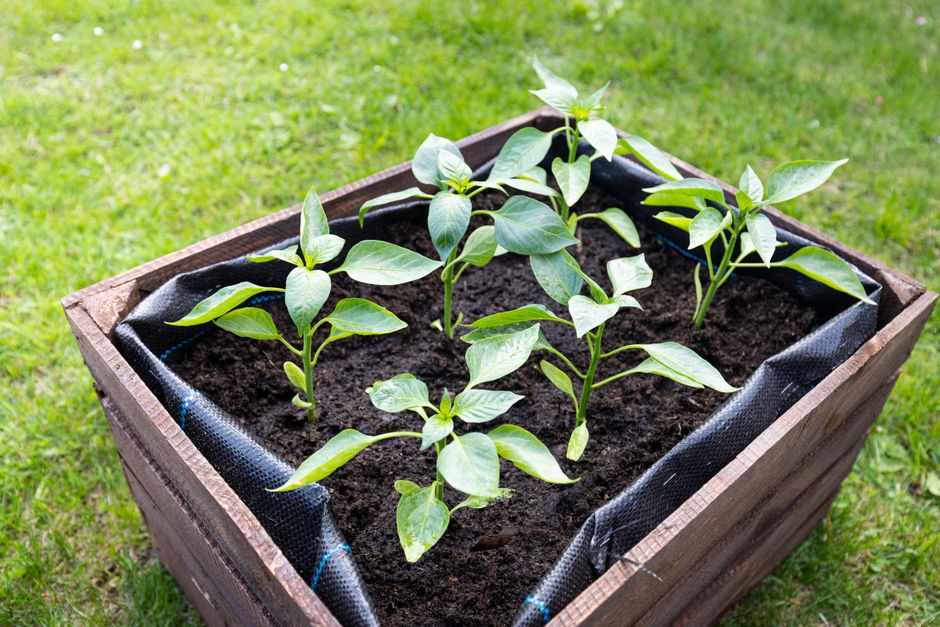
For gardeners with limited outdoor space, a raised herb bed can be a practical way to introduce a dedicated growing area. Whether the space is a narrow side yard, a small patio, or a balcony, the raised-bed approach allows for careful control over soil conditions, drainage, and placement. A compact design also makes routine tasks—watering, inspecting plants, and harvesting—more manageable.
Planning is central to this process. Unlike an in-ground garden plot, a raised bed functions as a contained system in which soil volume, moisture movement, and root space are all defined by the structure. When these elements are considered before construction, the bed is more likely to remain consistent across changing weather conditions and seasonal transitions.
This article outlines a process-oriented approach to building a raised herb bed for small spaces. It covers structural considerations, drainage, soil composition, and herb placement in a neutral, informational manner. The aim is to describe methods and options, not to promise outcomes, since results depend on climate, care, and many external variables.
Determining Dimensions and Placement for a Compact Bed
The first step in planning a raised herb bed is to match the dimensions to the available space. Herbs vary in growth habit, and a compact bed may need to accommodate both low, spreading plants and upright types. A common approach is to keep the bed narrow enough that the center can be reached from at least one side without stepping into the soil, which reduces compaction. Typical widths range from two to four feet, though smaller dimensions are possible if the bed is accessible from more than one side.
Depth is another consideration. Most culinary herbs have relatively shallow root systems, but a soil depth of eight to twelve inches generally provides adequate room for root development and for buffering moisture fluctuations. Shallower beds may require more attentive watering, while deeper beds use more material and weigh more. The choice often depends on the intended herb list and the load-bearing capacity of the surface where the bed will sit.
Placement affects both plant performance and daily convenience. A location that receives several hours of sunlight is often selected for sun-loving herbs such as rosemary, thyme, and oregano, while partial shade may suit mint, parsley, and chives. The bed should also be positioned with drainage in mind: water will exit the bottom of the structure, so placing it where excess moisture can dissipate without pooling is important. On a patio, this may mean elevating the bed slightly on blocks and directing runoff away from the foundation.
Accessibility and maintenance should be reviewed before finalizing the location. Space between the bed and walls, fences, or other structures allows for airflow and for routine tasks like pruning and harvesting. A clear path also reduces the chance of compacting soil around the bed. In small backyards, these clearances may be tight, so measuring the footprint and considering the swing of a watering can or the reach of a tool can help avoid later adjustments.
Constructing the Frame and Managing Drainage
The frame of a raised bed can be built from a range of materials, including untreated wood, composite boards, or metal. Each material has different characteristics in terms of weight, longevity, and maintenance. Untreated wood is common for small projects, though it may weather over time; composite and metal options may be heavier but can require less upkeep. The selected material should be safe for food crops and appropriate for the local climate. Whichever material is chosen, the structure needs to be stable enough to hold moist soil without bowing.
Drainage is a critical element of the design. Herbs generally do not tolerate waterlogged soil, and a raised bed must allow excess water to move downward and away. In a closed-bottom planter, drainage holes or a perforated base are typically necessary. If the bed is open to the ground, the native soil below may provide a path for water, but compacted or clay-heavy ground can limit infiltration. In such cases, a shallow layer of coarse material at the bottom, such as gravel or crushed stone, can be considered, though its role is mainly to prevent soil from blocking drainage openings rather than to create a false water table.
The base preparation and the bed’s elevation influence how water behaves. On a patio, the bed can be raised on feet or blocks so that water exits freely and air circulates beneath. On soil, the bed may be placed directly on the ground, but the site should be slightly graded or leveled to avoid standing water around the base. Lining the inner sides with a permeable material, if used, should not block drainage. A simple test—pouring a known volume of water into the bed before planting and observing how quickly it exits—can provide a rough indication of flow.
Structure and drainage are linked to long-term maintenance. Over time, soil particles can migrate into drainage layers, and outlets can become clogged. Periodic inspection of drainage pathways can help identify slow drainage before it affects plant roots. The frame itself should be checked for stability, especially after freeze-thaw cycles if the bed remains outdoors year-round. In small spaces, keeping the bed movable or modular may simplify repairs and seasonal adjustments.
Preparing the Soil Mix for Herbs
Soil in a raised bed functions as a finite volume, so its composition matters more than in open ground. A common approach is to use a mix that balances water retention, drainage, and aeration. Garden soil alone can be heavy in a contained bed, while lightweight potting mixes may dry out quickly. Many small-scale raised-bed plans use a blend of topsoil, compost, and a coarse material such as perlite or coarse sand to improve structure. The exact proportions can vary with the herbs selected and the local climate.
Organic matter serves multiple roles in a raised bed. Compost can contribute to nutrient availability and improve the soil’s ability to hold moisture while still allowing excess water to drain. However, compost quality varies, and a mix that is too rich may encourage soft growth in some herbs. A balanced approach is often to blend compost with a mineral soil component and a drainage material, then to monitor how the mix behaves after watering. If the mix settles and becomes dense, additional coarse material can be incorporated at the next refresh.
Fertility management in a compact bed should be moderate. Many culinary herbs perform adequately in moderately fertile soil, and excess nitrogen can lead to leafy growth at the expense of flavor and compact habit. Rather than a single heavy application, a routine of light amendments based on observation may be more consistent with the closed system of a raised bed. The herb list itself can guide this: some herbs prefer leaner conditions, while others may benefit from additional organic matter. Soil testing or observation of plant vigor can inform adjustments.
Before planting, the mix should be moistened evenly and allowed to settle. This pre-planting hydration helps avoid uneven moisture pockets that can affect germination or transplant establishment. The final soil level is usually kept an inch or two below the top edge of the frame, which provides room for watering and mulch without overflow. Over time, the soil level may drop as organic matter decomposes, and topping off with a similar mix can maintain the intended depth.
Selecting and Arranging Herbs for a Small Space
Herb placement in a compact bed is a matter of matching growth habit to available space and light. Upright, woody herbs such as rosemary and sage can occupy the back or center of the bed, while lower, spreading herbs like thyme and oregano can be positioned toward the edges. Mint, which spreads aggressively, may be better suited to a contained section or a separate pot within the bed to limit its spread. Grouping herbs with similar water and light needs can simplify care and reduce the need for individual attention.
A common arrangement strategy is to consider the mature size of each plant rather than the size at transplanting. Herbs that will grow tall or wide should be given enough room to avoid crowding neighbors. In a small bed, this may mean limiting the number of varieties or choosing compact cultivars. Vertical space can also be used: a trellis or a taller herb at one end may provide structure without increasing the bed’s footprint. The goal is to allow airflow between plants, which can reduce the likelihood of moisture-related problems.
Seasonal succession is another option for small beds. Cool-season herbs such as cilantro and dill can be grown earlier, followed by warm-season types like basil. This approach uses the same soil volume across different periods and can be planned by staggering planting dates. However, successive planting requires attention to soil nutrients and root disturbance; lifting one crop and replanting immediately may not suit all herbs. A simple rotation or a pause between crops can allow the bed to settle.
Allwell Herbs offers a range of herb varieties that can be considered for small raised beds, though the final selection should be based on local conditions and personal use. Regardless of the source, the principle remains the same: choose herbs that fit the space, provide adequate drainage and light, and arrange them to accommodate their mature forms. Observation over the first season can inform adjustments in subsequent plantings.
Watering, Maintenance, and Seasonal Adjustments
Watering a raised bed differs from watering in-ground plants because the soil volume is limited and can dry more quickly, especially in windy or sunny exposures. A practical approach is to water thoroughly when the top inch or two of soil feels dry, rather than on a fixed schedule. The goal is to moisten the root zone without causing prolonged saturation. In small beds, a watering can with a fine rose or a drip system can provide controlled delivery. Checking moisture at a depth of a few inches with a finger or a simple probe can help avoid both under- and over-watering.
Maintenance tasks are generally modest in a compact bed. Removing spent flowers and yellowing leaves can keep plants tidy and may influence growth habit. Mulching the soil surface with a thin layer of organic material can moderate moisture loss and temperature fluctuations, though the mulch should not be piled against stems. Periodic inspection of the frame, drainage openings, and soil level can identify small issues before they become significant. In colder regions, some herbs may benefit from protection or may be grown as annuals.
Seasonal transitions often require adjustments. At the end of a growing season, removing annual herbs and cutting back perennials can prepare the bed for a rest period. Soil may be refreshed with compost or a similar mix, and the drainage pathways can be checked. In regions with freezing temperatures, the bed’s material and construction should be considered for freeze-thaw durability. For patio beds, moving the structure to a sheltered location may be an option if it is designed for portability.
Planning a raised herb bed is an exercise in matching structure, soil, and plant choice to the constraints of a small space. The process is iterative, and observations from one season can inform the next.
Overall, a raised herb bed for a small backyard is a system in which each decision—dimensions, drainage, soil mix, and herb arrangement—interacts with the others. By approaching the project as a series of informed choices rather than a fixed recipe, gardeners can create a functional growing area that suits their available space and conditions. Outcomes will vary with climate, care, and other factors, and ongoing observation remains a central part of the process.