When to Harvest Rosemary for Peak Aroma
Harvesting rosemary at the right moment can influence the concentration of essential oils in the needles, which in turn affects aroma and flavor. The timing involves several variables, including the time of day, the season, and the plant’s growth stage. Understanding these factors allows gardeners and cooks to make informed decisions about when to take cuttings for immediate use or for preservation. This article explores the general principles behind rosemary harvest timing, focusing on how environmental conditions and plant physiology interact with oil retention.
The information presented here is descriptive and process-oriented. It does not prescribe a single correct approach, as local climate, cultivar differences, and intended use all play a role. Instead, it outlines the factors that are commonly considered when planning a rosemary harvest. By observing these factors, individuals can adapt their practices to their specific circumstances.
Whether you grow rosemary in a backyard garden, a container, or a raised bed, the goal is to cut stems in a way that supports the plant’s health and preserves the aromatic qualities of the needles. The following sections discuss seasonal timing, daily timing, harvest techniques, and post-harvest handling, all with an emphasis on retaining essential oils.
Seasonal Timing: Growth and Oil Accumulation
Rosemary is a perennial evergreen shrub in many climates, but its oil content and growth patterns vary throughout the year. In general, essential oil accumulation is influenced by temperature, sunlight, and the plant’s developmental stage. During periods of active growth, the plant produces new foliage and may have higher concentrations of aromatic compounds. However, extreme heat or drought can also affect oil quality and quantity. Therefore, the season of harvest is a key consideration.
In regions with mild winters, rosemary may grow year-round, but the most vigorous growth often occurs in spring and early summer. During these periods, the plant directs energy toward new shoots, and the needles may be rich in oils. Some growers prefer to harvest before the plant flowers, as the onset of blooming can signal a shift in energy allocation. Flowering typically occurs in late spring or early summer, depending on the climate. Harvesting just before or during early bloom is a common practice, but it is not a strict rule.
In areas with colder winters, rosemary growth slows or stops during the winter months. Harvesting during this dormant period is generally not recommended because the plant is not actively producing new growth and may be more vulnerable to damage. Additionally, oil content may be lower. The optimal harvest window in such climates is often late spring through early summer, when the plant has had time to establish new growth and before the heat of midsummer becomes intense.
It is also worth noting that different cultivars may exhibit variations in oil composition and concentration. For example, some varieties are bred for higher oil content or different aroma profiles. Observing the specific plants in your garden over a season can provide insight into their individual rhythms. Local extension services or university agricultural programs may offer region-specific guidance, but general principles of seasonal timing remain widely applicable.
Daily Timing: The Role of Sunlight and Temperature
The time of day when rosemary is harvested can influence the immediate oil content and moisture level of the needles. Essential oils are volatile compounds that can evaporate or degrade under certain conditions. Therefore, harvesting during periods of lower temperature and higher humidity is often favored. Early morning is frequently cited as a good time because the plant has had the night to recharge, and the air is cooler. However, dew on the needles can introduce excess moisture, which may be undesirable for storage.
Mid-morning, after the dew has dried but before the heat of the day, is another commonly suggested window. At this time, the plant is actively photosynthesizing, and oil glands may be fully charged. The temperature is moderate, reducing the risk of oil volatilization. Some harvesters prefer this period because the foliage is dry, which helps prevent mold during drying or storage.
In contrast, harvesting during the hottest part of the day is generally discouraged. High temperatures can cause essential oils to evaporate more quickly, and the plant may be under heat stress, leading to lower oil content. Additionally, cutting plants under stress may slow their recovery. Similarly, harvesting late in the evening may be less ideal because the plant is preparing for night, and moisture from dew may return. However, these are general trends, and local weather conditions on a given day can override typical patterns.
It is also important to consider the purpose of the harvest. For immediate culinary use, the time of day may have less impact on aroma because the oils are used fresh. For drying or freezing, however, minimizing moisture and preserving volatile compounds is more critical. In either case, avoiding extreme heat and direct sunlight during harvest is a reasonable precaution.
Harvesting Techniques to Preserve Essential Oils
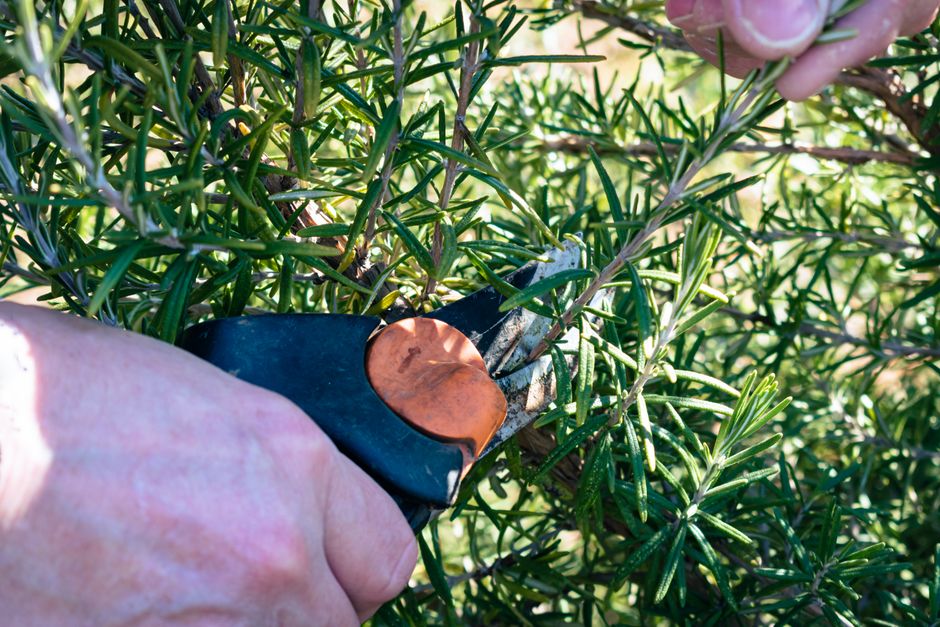
The way rosemary is harvested can affect both the plant’s future growth and the quality of the harvested material. Using clean, sharp pruning shears or scissors is recommended to make clean cuts that heal quickly. Dull tools can crush stems, leading to tissue damage and potential oil loss. It is also advisable to harvest only as much as needed at one time, as fresh rosemary loses aroma over time.
When cutting, focus on stems that are woody at the base but have green, flexible tips. These are typically the current season’s growth and are likely to have higher oil content. Avoid cutting into older, woody stems excessively, as this can stress the plant and reduce future yields. A common practice is to cut stems just above a leaf node or pair of leaves, which encourages branching. Removing no more than one-third of the plant at a single harvest is a general guideline to maintain plant vigor.
For oil retention, it is beneficial to handle the harvested stems gently. Crushing or bruising the needles can release oils prematurely. Place the cuttings in a loose bundle or a breathable container, and avoid packing them tightly. If harvesting multiple stems, keep them in a shaded area until you are ready to process them. Exposure to direct sunlight after cutting can accelerate oil loss.
Some harvesters use a basket or a paper bag to collect cuttings, which allows air circulation and reduces mechanical damage. Others prefer to harvest directly into a container that will be used for immediate processing, such as a bowl for washing. Regardless of the method, minimizing handling and time between harvest and use is key to preserving aroma.
Post-Harvest Handling and Storage
After harvesting, the way rosemary is handled and stored significantly influences how long the essential oils remain potent. If the rosemary is to be used fresh, it can be stored in a perforated plastic bag in the refrigerator for a short period. However, moisture management is crucial to prevent mold. Wrapping the stems in a slightly damp paper towel and placing them in a loosely closed bag can help maintain humidity without excess wetness.
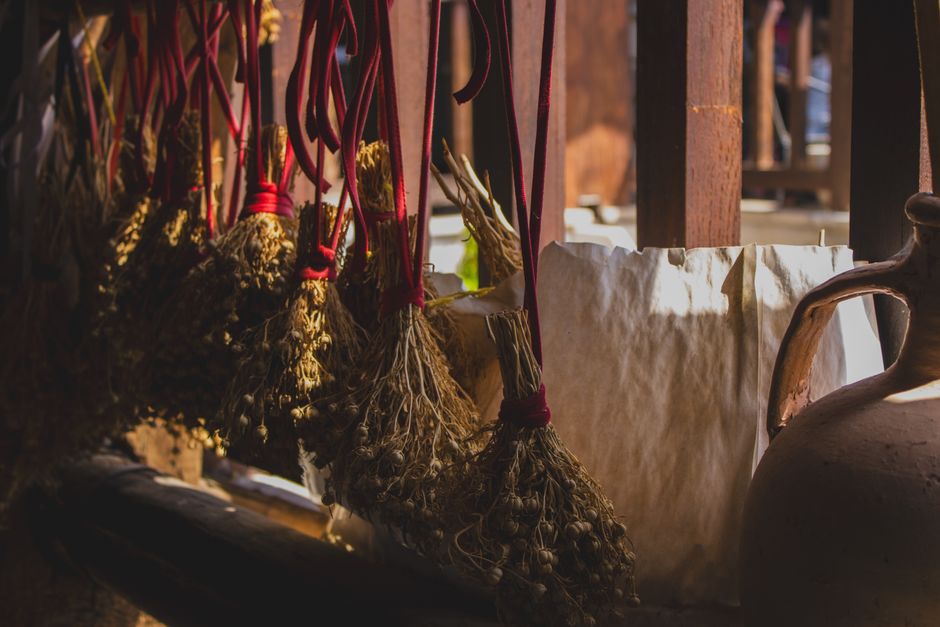
For drying, bundling stems and hanging them in a dark, well-ventilated area is a traditional method. The darkness helps preserve color and volatile oils, while air circulation prevents mold. Alternatively, drying in a dehydrator at a low temperature (below 95°F or 35°C) can be effective, but higher temperatures may drive off aromatic compounds. Once dried, the needles should be stripped from the stems and stored in an airtight container away from light and heat. Whole leaves retain oils better than crushed leaves, so crushing just before use is advisable.
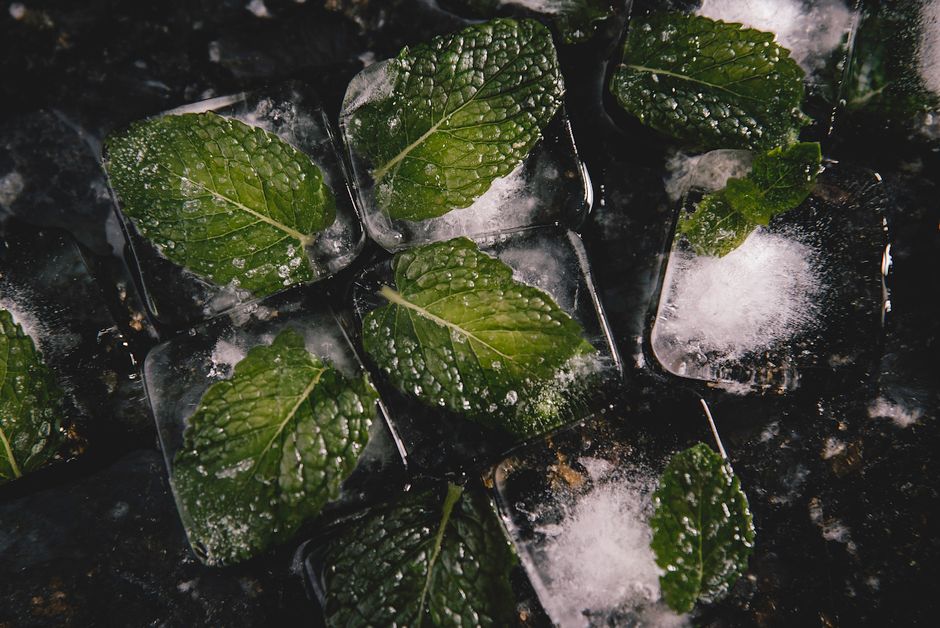
Freezing is another option for preserving rosemary. Whole sprigs can be frozen in airtight bags, or the needles can be chopped and frozen in ice cube trays with water or oil. While freezing may alter the texture, it can help retain aroma for several months. In all storage methods, labeling with the harvest date can help track freshness. It is also wise to store rosemary away from strong-smelling foods, as the leaves can absorb odors.
Allwell Herbs emphasizes the importance of proper handling and storage for maintaining herb quality. By following these general practices, you can support the retention of essential oils from harvest to use.
Factors Influencing Oil Content and Aroma
Beyond timing and handling, several other factors can affect the essential oil content of rosemary. Plant health is paramount; well-nourished plants with adequate water and sunlight are likely to produce more robust oils. However, over-fertilization, particularly with nitrogen, can lead to excessive leafy growth at the expense of oil concentration. Soil drainage is also critical, as rosemary is susceptible to root rot in waterlogged conditions.
Climate and weather patterns on the day of harvest can play a role. A period of dry, sunny weather before harvest may contribute to higher oil content, while prolonged rain can dilute oils. Some growers monitor the plant’s aroma by gently rubbing a leaf before harvest to gauge readiness. This sensory check, combined with visual cues such as stem color and leaf turgidity, can inform timing decisions.
Lastly, the genetic makeup of the plant sets a baseline for oil production. Different cultivars, such as ‘Tuscan Blue’ or ‘Arp’, may have distinct oil profiles and concentrations. Selecting a cultivar known for high oil content and suited to your climate can be a strategic long-term choice. However, even within a cultivar, year-to-year variations can occur due to environmental conditions.
In summary, the peak aroma of rosemary is not tied to a single moment but results from a combination of seasonal and daily timing, careful harvest technique, and appropriate post-harvest handling.
By observing these factors and adapting to local conditions, you can make informed decisions that align with your goals, whether you are harvesting for a fresh culinary accent or for long-term storage.