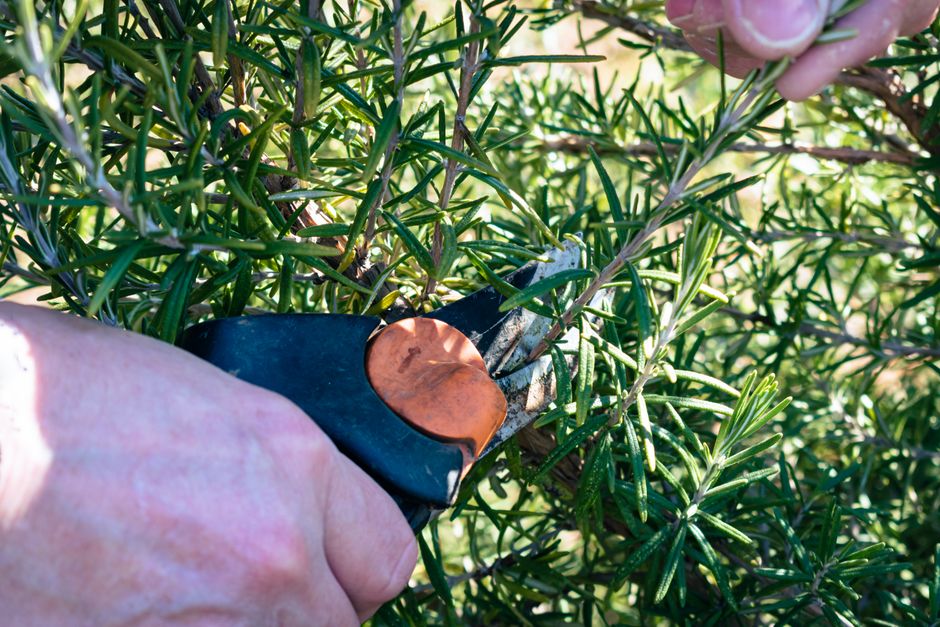
Air-Drying Culinary Herbs Without Losing Flavor
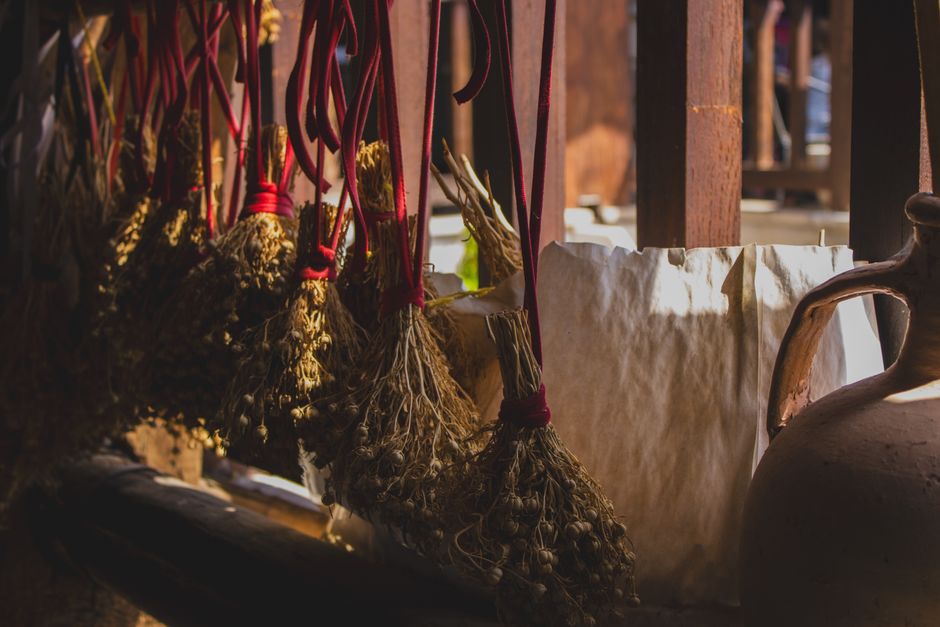
Drying culinary herbs at home is a straightforward method for extending their usable life while aiming to retain their aromatic qualities. Among the many approaches available, air-drying remains one of the most accessible and traditional techniques, requiring minimal equipment and no external energy source. Herbs such as rosemary, thyme, and oregano are particularly well-suited to this method because of their relatively low moisture content and sturdy structure, which support a steady drying process. Understanding the underlying principles helps in adapting the method to different environments and harvest conditions.
The process centers on reducing moisture content while preserving volatile compounds that give herbs their characteristic aroma and flavor. This is achieved through controlled exposure to air, with attention to airflow, humidity, and temperature. The use of bundles, paper bags, and proper ventilation are all components of an approach that emphasizes gradual, even drying rather than rapid results. By focusing on methodology rather than guaranteed outcomes, this article outlines a practical framework for integrating air-drying into routine culinary herb preservation.