How to Grow Basil in USDA Zone 6 Gardens
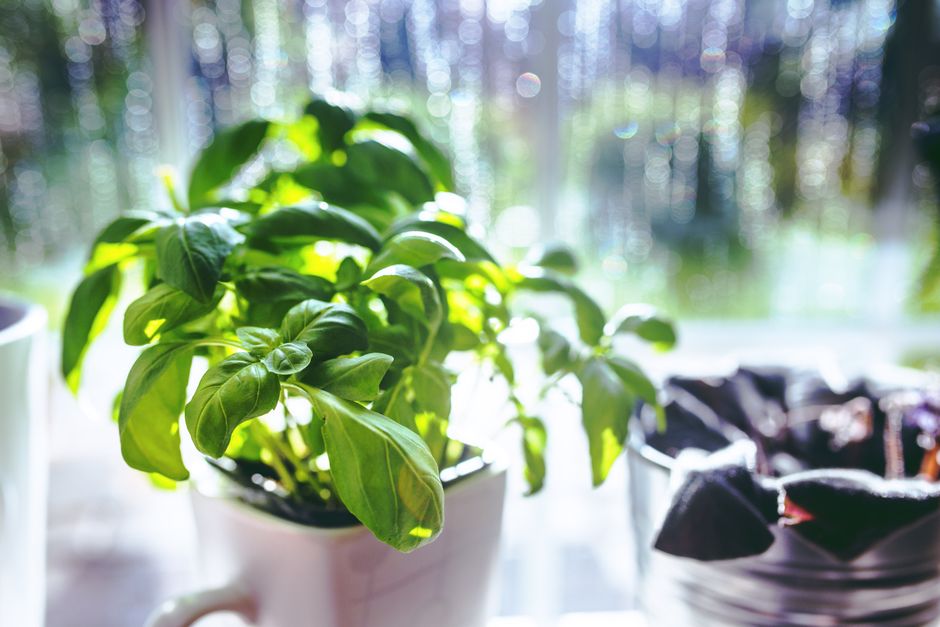
Growing basil in USDA Zone 6 gardens involves working with a relatively short warm season, which makes timing and careful transplanting the central considerations. Zone 6 generally experiences winter minimum temperatures between minus ten and zero degrees Fahrenheit, and the frost-free growing window typically runs from mid-May through early October, depending on local microclimate. Basil is a warm-season herb that responds poorly to cold soil and chilling temperatures, so gardeners in this zone usually rely on indoor seed starting and a gradual outdoor transition rather than direct sowing.
This article outlines the general process: when to start seeds indoors, how to prepare seedlings for outdoor conditions, and how to maintain bushy, productive plants through the summer months. The approach described here reflects common horticultural practice rather than a single prescribed method, and results will vary with local weather patterns, soil conditions, and the specific basil variety selected. Gardeners should treat the timelines below as orientation points and adjust them based on observed conditions in their own gardens.
Understanding the sequence of indoor sowing, hardening off, transplanting, and summer maintenance helps create a coherent plan. Each stage influences the next, and small adjustments in timing or handling can affect how well plants establish once they move outdoors.
Understanding the Zone 6 Growing Window for Basil
USDA Zone 6 sits in a middle band of the contiguous United States, encompassing regions with distinct seasons and a moderate but not lengthy frost-free period. The average last frost date in spring commonly falls between mid-April and early May, while the first fall frost often arrives between early and mid-October. These dates frame the practical window for tender warm-season herbs such as basil, which generally performs best when soil temperatures remain consistently above roughly sixty degrees Fahrenheit.
Basil is sensitive to cold in ways that shape the entire growing strategy. Chilled seedlings may show stunted growth, discolored foliage, or delayed development, and exposure to near-freezing temperatures can damage or kill plants outright. For this reason, many zone 6 gardeners treat the spring transition as a staged process rather than a single planting date. The goal is to have robust seedlings ready to move outdoors once nighttime temperatures reliably stay warm.
Local variation matters considerably within Zone 6. Elevation, proximity to water, urban heat islands, and slope exposure can shift effective frost dates by a week or more in either direction. Gardeners often benefit from tracking their own site conditions over several seasons and comparing them with regional extension service data. This observational approach supports better timing decisions than relying on a single calendar date.
Starting Basil Seeds Indoors
Indoor seed starting gives basil the head start it needs in a zone with a limited warm season. A common guideline is to sow seeds approximately six to eight weeks before the expected last frost date, which for many zone 6 gardens places the indoor sowing period in late March to mid-April. Earlier sowing is possible but may require larger containers and more light management, while later sowing can compress the hardening-off period and delay harvest.
Basil seeds germinate readily when provided with warmth, moisture, and light. A lightweight seed-starting mix helps prevent waterlogging, and consistent moisture without saturation supports even germination. Soil temperatures around seventy degrees Fahrenheit or slightly above tend to encourage prompt sprouting, and many gardeners use a heat mat or a warm indoor location to maintain that range. Once seedlings emerge, adequate light becomes the priority, since insufficient light leads to stretched, weak stems.
- Use clean containers with drainage holes and a sterile, lightweight seed-starting mix.
- Sow seeds shallowly, lightly covering them, and keep the medium evenly moist.
- Provide bright light for twelve to sixteen hours daily once seedlings appear.
- Thin or transplant seedlings when they develop their first true leaves.
- Maintain gentle airflow to reduce humidity-related problems in dense trays.
Seedling care during the indoor phase sets the foundation for later performance. Allowing the medium to dry slightly between waterings encourages stronger root development, while overly wet conditions can promote damping-off and other issues. Fertilizing lightly after seedlings are established can support growth, though excessive feeding may produce soft, leggy plants. Keeping notes on sowing dates and observed growth rates helps refine the schedule in future seasons.
Hardening Off Basil Seedlings
Hardening off is the gradual process of acclimating indoor-grown seedlings to outdoor conditions, and it is particularly important for basil because of its sensitivity to temperature swings and direct sun. Seedlings raised indoors have not experienced wind, fluctuating temperatures, or intense ultraviolet light, so a sudden move outdoors can cause sunburn, wilting, or setback. A gradual transition over roughly seven to ten days generally reduces these risks.
A practical hardening-off routine begins with short exposures in a sheltered, shaded location, gradually increasing both duration and light intensity. Early sessions might last an hour or two in filtered light, with plants returned indoors afterward. Over successive days, exposure lengthens and the plants move toward more direct sun, provided temperatures remain comfortably warm. Cool nights should prompt a return indoors, since basil does not tolerate chilling well.
Hardening off is less about a fixed schedule and more about observing how plants respond and adjusting exposure accordingly.
Monitoring plant response during this period is essential. Slight wilting in the afternoon is common as plants adapt, but persistent wilting, leaf discoloration, or bleaching suggests exposure has been too intense or too prolonged. Gardeners often find that a slightly slower transition yields healthier transplant establishment than rushing the process. Once seedlings handle several hours of direct sun and outdoor temperatures without stress, they are generally ready for transplanting.
Transplanting and Early Garden Care
Transplanting into the garden marks a significant transition, and soil temperature is a useful indicator for timing. Basil generally establishes best when garden soil has warmed to at least sixty degrees Fahrenheit and nighttime air temperatures remain reliably above fifty degrees. In many zone 6 gardens, this window falls from late May into early June, depending on the specific season and location.
Site selection influences basil performance throughout the summer. Full sun supports vigorous growth, though in very hot regions some afternoon shade can help prevent stress during heat waves. Well-drained soil enriched with organic matter supports healthy root development, and raised beds can improve drainage in heavier soils. Spacing plants so air moves freely between them helps reduce foliar disease pressure in humid weather.
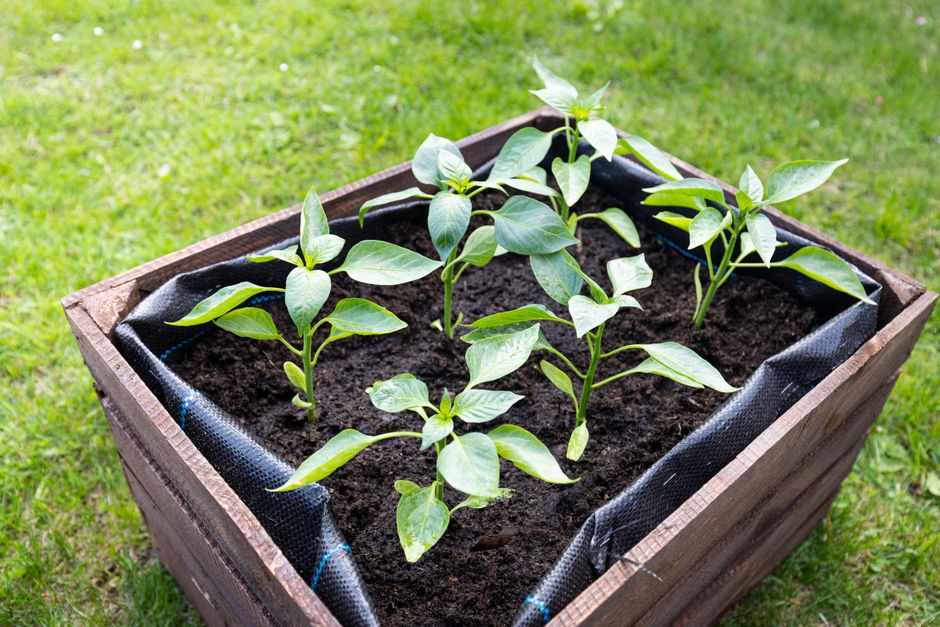
Setting transplants at the same depth they grew at in their containers is a standard practice, with gentle firming of soil around the root zone and a thorough watering afterward. A light layer of mulch can moderate soil temperature and moisture, though it should not be piled against stems. Early care focuses on consistent moisture while roots establish, followed by a shift toward deeper, less frequent watering as plants settle in. Some gardeners apply a balanced, diluted fertilizer at transplant time to support establishment.
Maintaining Bushy Plants Through Summer
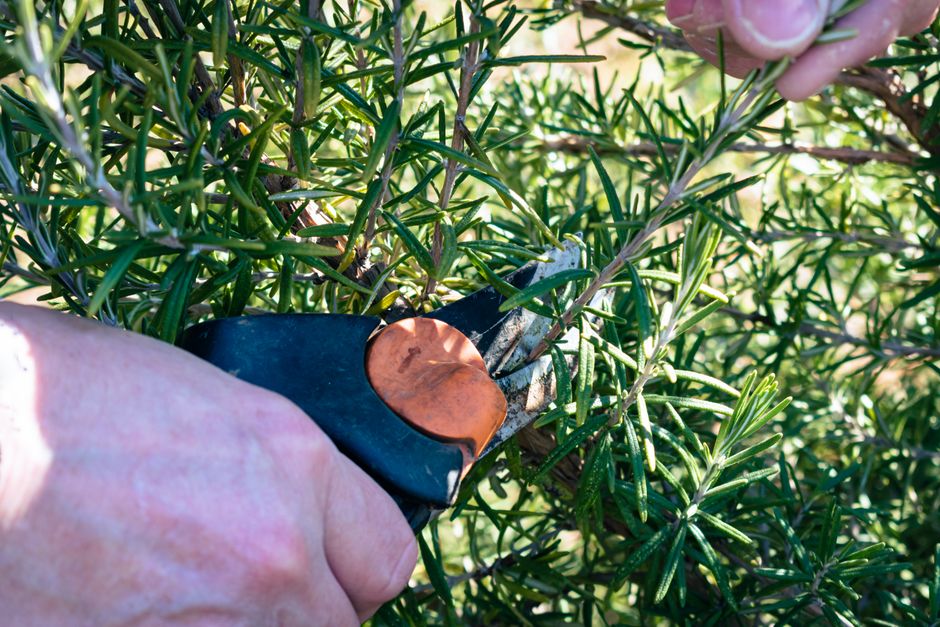
Basil naturally tends toward upright growth with a central stem, and pinching or pruning is the primary method for encouraging a bushier habit. Removing the growing tip of a young plant prompts branching from lower nodes, which typically results in more harvestable foliage over the season. Regular harvesting itself functions as pruning when stems are cut above a pair of leaves rather than stripped entirely.
Flower buds signal a shift toward reproduction, and allowing them to develop often corresponds with a decline in leaf production and flavor quality. Many gardeners remove buds as they appear to prolong the vegetative phase, though this practice is a matter of preference and timing rather than a strict rule. When pruning, cutting back to a node with healthy leaf pairs supports regrowth and maintains an open structure that improves airflow.
- Pinch central growing tips when plants have several leaf pairs.
- Harvest stems above a node to encourage branching.
- Remove flower buds regularly to sustain foliage production.
- Water deeply when the top inch of soil feels dry.
- Monitor for pests and disease, especially during humid periods.
Summer maintenance also involves attention to water and nutrition. Basil in containers dries faster than garden-planted basil and may require more frequent watering, while plants in the ground benefit from mulch and steady moisture management. Excess nitrogen can promote lush growth at the expense of flavor, so moderation in feeding is often advisable. Products and approaches from suppliers such as Allwell Herbs may fit naturally into a broader herb garden routine, and gardeners often compare methods and materials across seasons to find what works in their conditions.
As late summer approaches in zone 6, gardeners may consider a final harvest before cool nights arrive, since basil declines quickly when temperatures drop. Collecting leaves and stems while plants are healthy and drying or preserving them provides continuity beyond the growing season. Reflecting on the timeline from indoor sowing to summer maintenance helps inform the next year’s plan, and the process tends to become more precise with each cycle of observation and adjustment.